
CARGO LIFTS
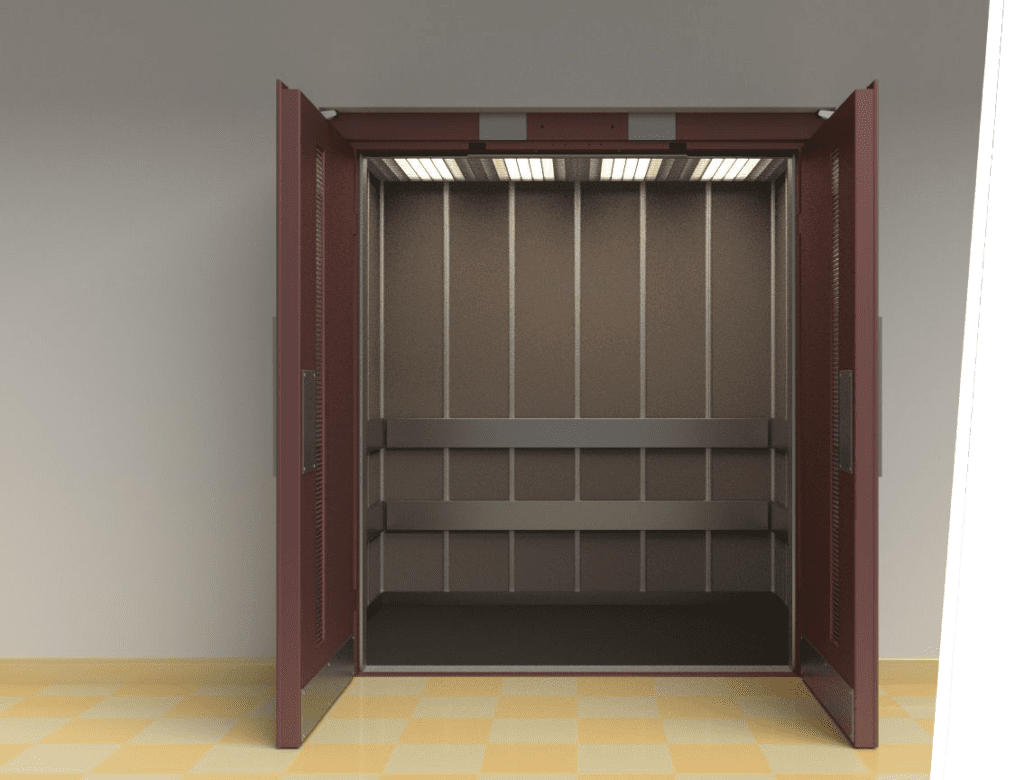
Cargo lifts are designed to carry heavier loads
Cargo lifts
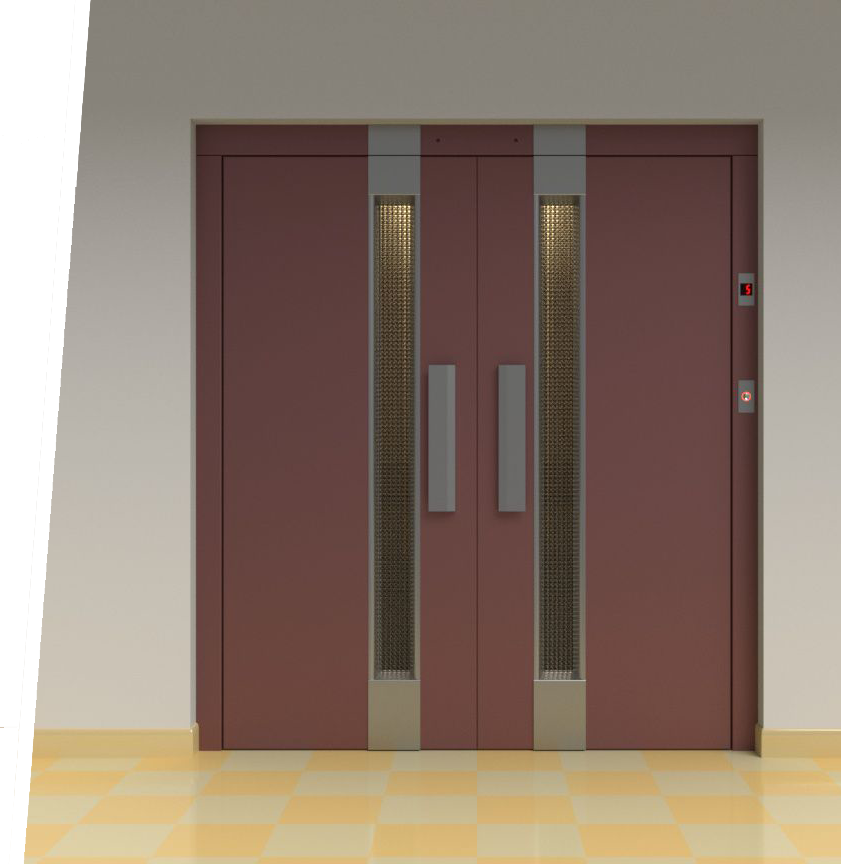
Cargo lifts, also known as freight elevators or goods lifts, are specialized vertical transportation systems designed primarily for transporting heavy or bulky goods and materials between different floors within buildings. Unlike passenger lifts, which are designed for transporting people, cargo lifts are engineered to handle larger loads and are essential in industrial, commercial, and residential settings where there is a need to move goods efficiently and safely. Here are the key features, components, types, and applications of cargo lifts:
- Key Features:
- Load Capacity: Cargo lifts are designed to carry heavier loads than passenger lifts, typically ranging from a few hundred kilograms to several tons, depending on the application and requirements.
- Size and Dimensions: They often have larger cabin dimensions to accommodate bulky items, pallets, crates, or machinery. Some cargo lifts may have custom sizes to fit specific loading dock or warehouse requirements.
- Door Types: Cargo lifts may have larger and sturdier doors compared to passenger lifts to facilitate the loading and unloading of goods. Doors can be manual or automatic, depending on the design and usage.
- Control Systems: Similar to passenger lifts, cargo lifts feature controls inside the cabin and outside at each floor for operation and selection of destinations.
- Safety Features: Cargo lifts are equipped with robust safety systems, including overload protection, emergency brakes, door interlocks, and safety sensors to ensure safe operation.
- Components:
- Cabin: The platform or compartment where goods are loaded for transportation.
- Doors: Entrance and exit points that may be wider and more durable than passenger lift doors.
- Drive System: Electric motors or hydraulic systems that power the lift's movement.
- Guide Rails or Cables:Provide vertical guidance and support for the lift cabin.
- Safety Devices:Ensure safe operation, including emergency stop buttons, alarms, and safety switches.
- Types of Cargo Lifts:
- Electric Traction Cargo Lifts: Similar to passenger lifts, these use electric motors and cables or ropes for lifting operations. They are suitable for medium to high-rise buildings and heavier loads.
- Dumbwaiters: Small cargo lifts used for transporting goods or food between floors in restaurants, hotels, and residences.
- Applications:
- Industrial Facilities: Used in warehouses, factories, manufacturing plants, and distribution centers for moving raw materials, finished products, and heavy equipment.
- Commercial Buildings: Shopping malls, retail stores, and office buildings use cargo lifts for transporting goods, supplies, and equipment between floors.
- Residential Buildings: High-rise apartments and condominiums may have cargo lifts for moving furniture, appliances, and deliveries to upper floors.
- Hospitality: Hotels and resorts use cargo lifts for transporting luggage, supplies, and housekeeping materials.
- Construction Sites: Temporary cargo lifts are used for transporting construction materials and equipment between different levels of buildings under construction.
- Considerations:
- Load Capacity and Size:Cargo lifts must be designed to handle the weight and dimensions of the goods being transported.
- Safety and Compliance: Compliance with safety standards and regular maintenance are critical to ensure safe operation and longevity.
- Efficiency: Efficient design and operation help reduce downtime and improve productivity in logistics and material handling operations.
- Installation and Integration: Cargo lifts should be integrated into the building's design and layout to optimize workflow and accessibility.
Cargo lifts are essential for efficient logistics and material handling in various industries, providing a reliable and safe means of transporting heavy or bulky items between floors within buildings. Advances in technology continue to enhance their performance, efficiency, and safety features.