
Crane installation service
Crane installation services involve the professional installation of various types of cranes, ensuring they are properly set up and operational in accordance with safety and operational standards. Here’s a detailed outline of what crane installation services typically include:
Pre-Installation Phase:
- Define Purpose: Determine the specific tasks the crane will perform (e.g., lifting heavy materials, precision handling).
- Engineering Design Review: Reviewing the engineering design and specifications of the crane to ensure compatibility with the installation site and operational requirements.
- Permits and Approvals: Obtaining necessary permits and regulatory approvals required for crane installation, adhering to local building codes and safety regulations.
Installation Process:
- Foundation Preparation: Excavating and preparing the foundation for the crane base or supports, ensuring it meets load-bearing requirements and stability criteria.
- Assembly and Rigging: Assembling crane components such as the mast, boom, trolley, and hoist mechanisms according to manufacturer specifications and engineering drawings.Rigging refers to the process of securely attaching and lifting crane components into place using appropriate rigging equipment and techniques.
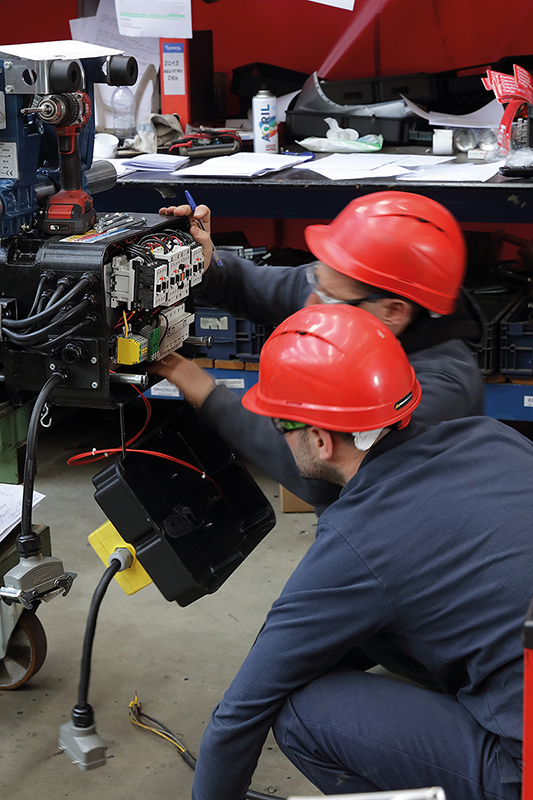
- Installation of Electrical and Control Systems: Installing electrical wiring, control panels, and safety devices necessary for the operation of the crane, ensuring compliance with electrical codes and safety standards.
- Final Positioning and Alignment:Precisely positioning and aligning the crane components to ensure proper operation and functionality, using leveling tools and alignment procedures.
- Load Testing:Conducting load tests to verify the crane’s capacity to lift and maneuver loads safely and efficiently, typically performed with incremental loads up to the crane’s rated capacity.
Post-Installation Phase
- Commissioning: Completing final checks, adjustments, and functional tests to ensure all components and systems operate correctly and meet performance standards.
- Operator Training: Providing training to crane operators on safe operating procedures, control systems, emergency protocols, and routine maintenance tasks.
- Documentation and Handover: Compiling comprehensive documentation, including installation reports, equipment manuals, maintenance schedules, and warranty information. Handing over the completed installation to the client or facility management team, ensuring they have all necessary information for ongoing operation and maintenance.
Ongoing Support and Maintenance:
- Scheduled Inspections:Establishing a schedule for regular inspections and preventive maintenance to identify and address potential issues early, ensuring optimal crane performance and longevity.
- Emergency Services:Providing 24/7 emergency support and repair services to address unexpected breakdowns or operational issues, minimizing downtime and ensuring safety.
- Modernization and Upgrades:Offering options for crane modernization and upgrades to enhance performance, efficiency, and safety as technology and operational needs evolve.
Safety Considerations
- Safety Features: Incorporate safety features such as overload protection, anti-collision systems, and emergency braking to ensure safe operation.
- Risk Assessment: Conduct a risk assessment to identify potential hazards and implement mitigation measures.
Procurement and Installation
- Functional Testing: Conduct rigorous testing of all crane components and systems to verify performance, safety, and reliability.
- Load Testing: Perform load tests to ensure the crane can handle maximum specified loads safely and efficiently.
- Commissioning: Complete final adjustments and inspections before handing over the crane for operational use.
Training and Documentation
- Training: Provide training for crane operators and maintenance personnel on safe operation, maintenance procedures, and emergency protocols.
- Documentation: Maintain comprehensive documentation, including design drawings, specifications, manuals, and maintenance records.
Monitoring and Maintenance
- Scheduled Inspections: Establish a schedule for routine inspections and preventive maintenance to detect issues early and prevent breakdowns.
- Performance Monitoring: Monitor crane performance metrics (e.g., uptime, energy consumption) to identify opportunities for improvement and optimize operations.
Lifecycle Management
- Upgrades and Modernization: Plan for future upgrades or modernization to enhance crane capabilities, improve efficiency, and extend equipment lifespan.
- End-of-Life Considerations: Develop a plan for decommissioning and replacing the crane when it reaches the end of its operational life.
By engaging professional crane installation services, businesses and organizations can ensure that their cranes are installed correctly, operate safely, and comply with regulatory requirements, ultimately supporting efficient and productive operations.