
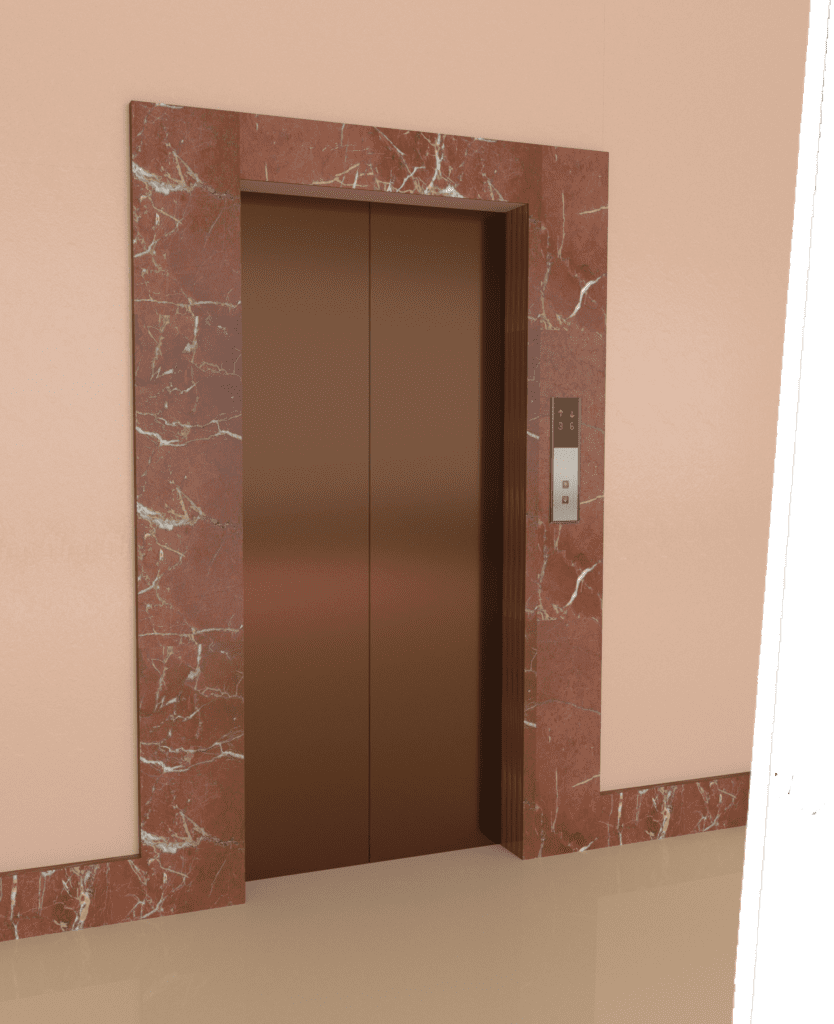
PASSENGER LIFTS
Lorem ipsum dolor sit amet, consectetur adipiscing elit. Ut elit tellus, luctus nec ullamcorper mattis, pulvinar dapibus leo.
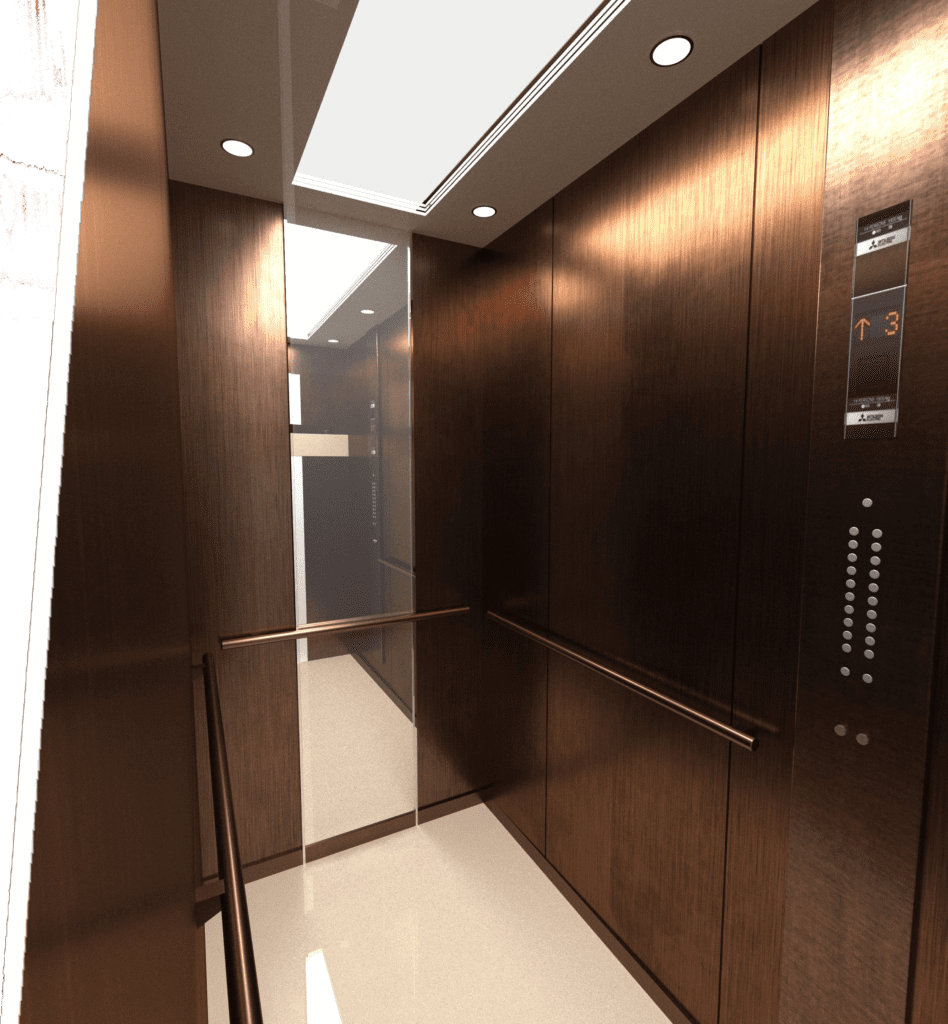
Passenger lifts
Passenger lifts, also known as elevators in some regions, are vertical transportation systems designed to carry people and goods between different floors or levels within buildings. They are an essential component of modern buildings, providing convenience, accessibility, and efficiency for occupants. Here are the key features, components, types, and considerations related to passenger lifts:
- Key Features:
- Cabin: The enclosed compartment where passengers and goods are transported. It typically includes doors for entry and exit, and interior controls for selecting floors.
- Doors: Entrance and exit points to the lift cabin, which open and close automatically or manually. They are synchronized with the movement of the cabin to ensure safety.
- Control System: Controls inside and outside the cabin for selecting floors and operating the lift. Modern lifts often use electronic control systems for smooth operation and efficiency.
- Safety Features: Include emergency brakes, backup power systems (UPS), emergency communication systems (intercoms), and sensors to detect obstructions or malfunctions.
- Drive Mechanism: Most lifts use electric motors and gear systems to move the cabin up and down along guide rails or cables. Hydraulic systems are also used in some low-rise buildings.
- Components:
- Guide Rails or Cables: Provide vertical guidance and support for the lift cabin as it moves between floors.
- Counterweights: Balance the weight of the cabin and reduce the power required to move the lift, improving energy efficiency.
- Hoisting Mechanism: Transfers power from the motor to the cabin via cables or chains.
- Safety Devices: Ensure safe operation by preventing overspeed, detecting door obstructions, and activating emergency stops.
- Types of Passenger Lifts:
- Electric Traction Lifts: Most common type, using an electric motor with ropes or cables to move the cabin. Suitable for medium to high-rise buildings.
- Hydraulic Lifts: Use hydraulic fluid and a piston to lift the cabin. They are often used in low to medium-rise buildings where space for a machine room may be limited.
- Machine Room-Less (MRL) Lifts: Incorporate the motor and other components into the shaft, eliminating the need for a separate machine room. They save space and are increasingly popular in new constructions.
- Dumbwaiters: Small lifts used for transporting goods or food between floors in homes, restaurants, and hotels.
- Applications:
- Safety: Compliance with safety standards and regular maintenance are crucial for safe operation and compliance with building codes.
- Accessibility: Lifts must accommodate individuals with disabilities and comply with accessibility regulations.
- Accessibility: Lifts must accommodate individuals with disabilities and comply with accessibility regulations.
- Maintenance: Regular inspection and servicing ensure reliability and longevity of lift systems.
- Considerations:
- Maintenance: Regular maintenance is essential to prevent breakdowns and ensure smooth operation.
- Safety: Proper guarding, emergency stops, and employee training are crucial to prevent accidents.
- Integration: Conveyors should be integrated into the overall workflow and layout of a facility to optimize efficiency and throughput.
Passenger lifts are integral to the functionality and comfort of modern buildings, providing a safe and efficient means of vertical transportation for occupants and goods. Advances in technology continue to improve lift performance, energy efficiency, and user experience.