
Special Execution cranes
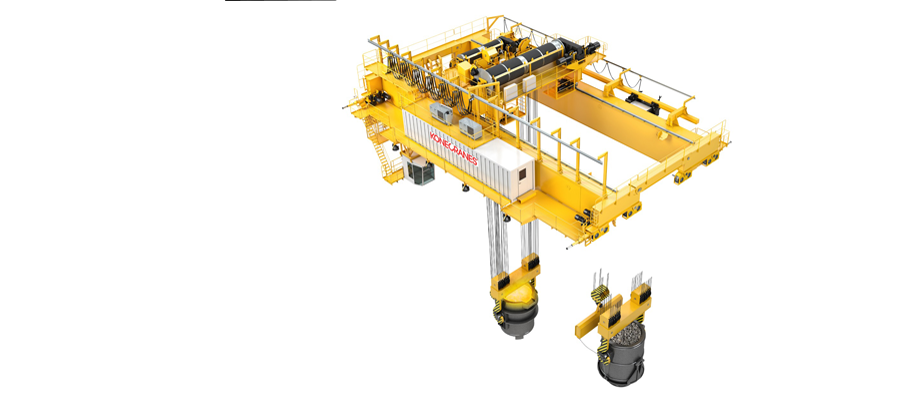
Special Execution cranes
The Special execution overhead crane refers to a type of crane system that utilizes multiple parallel runways (tracks) on which the crane bridge travels. This configuration allows for increased flexibility, efficiency, and capacity in material handling operations. Here are the key features and characteristics of a special overhead crane:
- Structure:
- Crane Bridge: The horizontal structure that spans the distance between the runways. It typically includes end trucks equipped with wheels or rollers that travel along the runway tracks.
- Runway: Parallel tracks installed on the ceiling or overhead structure of the building. The crane bridge moves along these tracks to position the load.
- Support Structure: Depending on the design and layout, the runways may be supported by columns or beams attached to the building structure.
- 2. Types of Multiple Tracks Overhead Cranes:
- Double Girder CraneThis type of crane has two parallel girders supporting the bridge, providing higher lifting capacities and greater stability compared to single girder cranes.
- Multiple Single Girder Cranes:It's also possible to have multiple single girder cranes operating on separate tracks, each with its own hoist and trolley system. This configuration allows for independent movement and operation of each crane.
- Advantages:
- Increased Capacity: Multiple tracks overhead cranes, especially double girder configurations, can handle heavier loads compared to single girder cranes.
- Flexibility: They offer the flexibility to position loads precisely along the length of the runways, facilitating efficient material handling operations.
- Safety: The use of multiple tracks can enhance safety by allowing for separate lanes of movement, reducing the risk of collisions or interference between different crane operations.
- Customization: Depending on the layout and requirements of the facility, multiple tracks overhead cranes can be customized with various configurations and lifting capacities.
- Applications:
- Manufacturing: Used in manufacturing facilities for assembly lines, where heavy components need to be moved and positioned precisely.
- Warehousing: Ideal for storage and retrieval operations in warehouses, maximizing vertical storage space and improving inventory management.
- Heavy Industry: Commonly found in industries such as steel mills, automotive manufacturing, and shipbuilding, where heavy and bulky materials need to be handled efficiently.
- Considerations:
- Space Requirements: Multiple tracks overhead cranes require adequate overhead space for installation and operation.
- Structural Support: Proper engineering and support structures are essential to ensure the safe and stable operation of the crane system.
- Maintenance: Regular maintenance and inspection are necessary to ensure the reliability and safety of the crane components, including runways, bridges, and hoisting mechanisms.
Overall, multiple tracks overhead cranes are versatile and robust solutions for industrial material handling needs, offering increased capacity, efficiency, and operational flexibility in various applications.